Get Tree Curbing Installation
Tree curbing installation services help property owners prevent tree damage, control growth, and improve safety by working with local contractors on various landscaping projects.
Tree curbing installation is an important consideration for property owners looking to enhance the safety, appearance, and functionality of their outdoor spaces. Properly installed tree curbing helps define landscape areas, prevents damage to surrounding surfaces, and can contribute to healthier tree growth by providing a clear boundary. For those planning landscaping projects or seeking to maintain the integrity of their property’s aesthetic, exploring options through local contractors can offer practical solutions tailored to specific needs.
Property owners in the area often turn to local service providers for their expertise in tree curbing installation, ensuring the work aligns with local conditions and standards. Comparing different local contractors can help identify experienced professionals capable of delivering quality results. Continuing to explore available options can assist in making informed decisions about how best to incorporate tree curbing into ongoing or upcoming property improvement projects.
- Tree Curbing Installation - homeowners seeking to define property boundaries with precise tree edging.
- Tree Curbing Installation - property managers needing to enhance landscape aesthetics around trees.
- Tree Curbing Installation - landscapers looking to create durable, attractive borders for tree areas.
- Tree Curbing Installation - commercial property owners aiming to improve curb appeal and prevent mulch spillage.
- Tree Curbing Installation - homeowners wanting to protect tree roots and maintain a tidy landscape edge.
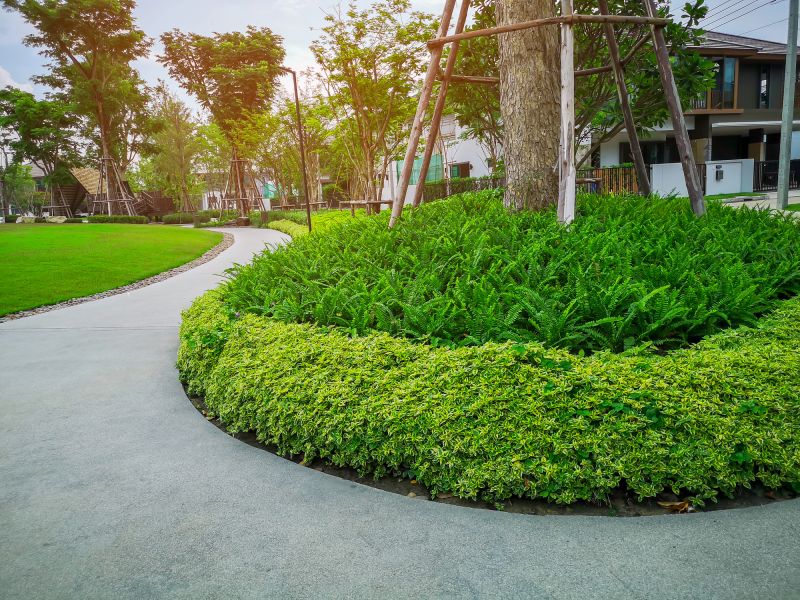
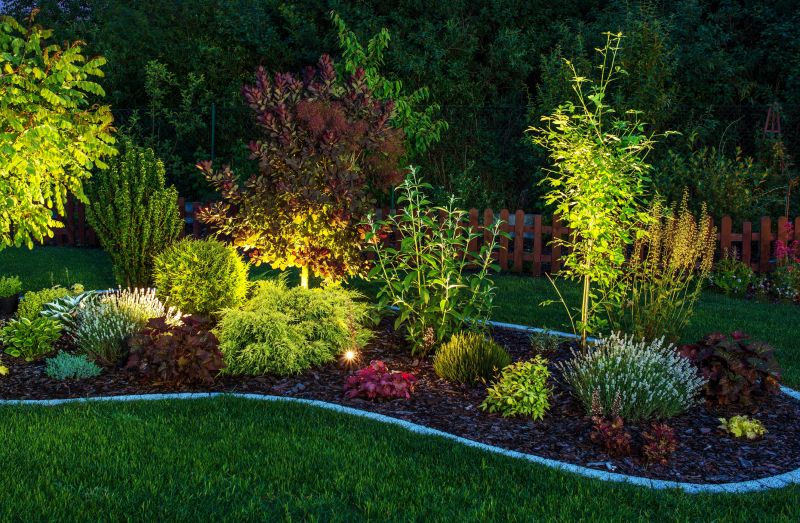
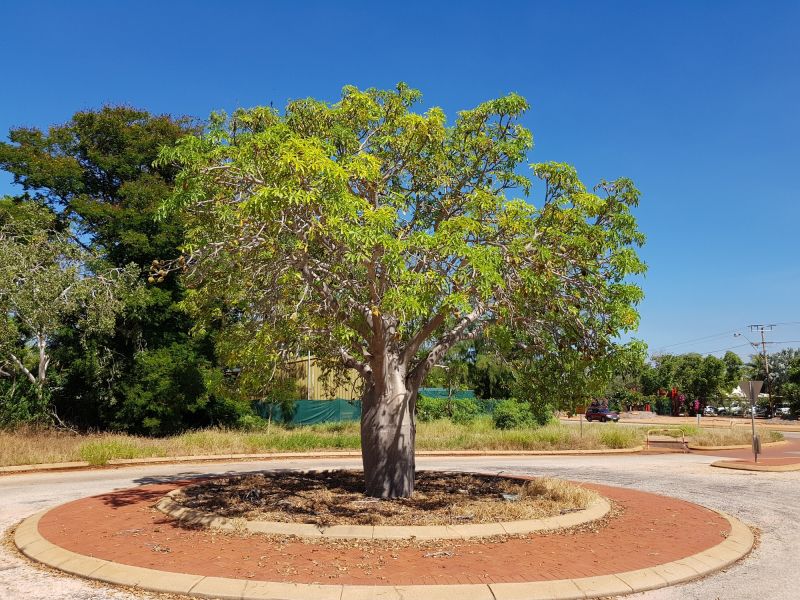
Tree curbing installation involves placing a sturdy border around the base of trees to protect them and enhance the appearance of a property. This service typically includes setting up a durable barrier made from materials like brick, stone, or concrete that encircles the tree trunk. The installation process often involves careful excavation around the tree to ensure the root zone remains undisturbed, while creating a clean, defined edge that prevents soil erosion and keeps mulch or debris from spreading into surrounding landscaped areas. Properly installed tree curbing not only adds visual appeal but also helps maintain the health of the tree by providing a clear boundary that discourages damage from lawn equipment or foot traffic.
This service helps address several common problems faced by property owners. For instance, it can prevent grass or weeds from encroaching too close to the tree’s base, reducing competition for nutrients and water. Tree curbing also acts as a barrier against lawn maintenance equipment, which can accidentally damage the trunk or roots if they are exposed. Additionally, it can contain mulch or decorative stones, keeping a landscape looking tidy and preventing soil erosion during heavy rains. In cases where trees are close to walkways, driveways, or patios, curbing can serve as a protective boundary that reduces the risk of accidental damage and creates a clear separation between different landscape elements.
Properties that typically benefit from tree curbing installation include residential yards, commercial landscapes, parks, and community spaces. Homes with mature trees often use curbing to define planting beds and protect their roots, especially in areas with frequent lawn maintenance. Commercial properties and public parks may install curbing around trees to improve safety and aesthetics, as well as to simplify ongoing landscape upkeep. Tree curbing can be particularly useful in areas prone to heavy rain or soil erosion, where it helps stabilize the ground around the tree and maintain a neat, organized appearance. Overall, this service is a practical solution for anyone looking to improve the durability, safety, and visual appeal of their landscape.
If considering tree curbing installation, property owners should assess whether their trees are at risk of damage or if their landscape could benefit from a more defined, protected planting area. It’s especially useful when trees are located near high-traffic zones, or where mulch or soil needs to be contained for aesthetic or functional reasons. Service providers can evaluate the specific needs of a property and recommend the most suitable materials and design options to ensure the curb complements the overall landscape. Contacting local contractors can provide tailored solutions that enhance the health and appearance of trees while adding a clean, finished look to outdoor spaces.
The overview below groups typical Tree Curbing Installation projects into broad ranges so you can see how smaller, mid-sized, and larger jobs often compare in your area.
In many markets, a large share of routine jobs stays in the lower and middle ranges, while only a smaller percentage of projects moves into the highest bands when the work is more complex or site conditions are harder than average.
Smaller Repairs - typical costs for minor tree curb adjustments or small trimming jobs usually range from $250-$600. Many routine projects fall within this middle range, depending on the tree size and location.
Medium-sized Projects - installing or removing a single tree curb or performing moderate pruning can cost between $600-$1,500. These projects are common and represent a significant portion of local contractor work.
Larger Installations - comprehensive curb installation or significant tree removal projects often range from $1,500-$3,000. These tend to be less frequent but are necessary for more extensive landscaping needs.
Complex or Custom Projects - highly detailed or large-scale curb work, including multiple trees or specialty designs, can exceed $3,000 and sometimes reach $5,000 or more. Such projects are less common but handled by experienced local pros for specialized needs.
Actual totals will depend on details like access to the work area, the scope of the project, and the materials selected, so use these as general starting points rather than exact figures.
Landscape Edging - Local contractors who install landscape edging often have skills in precise cutting, planning, and using tools similar to those used in tree curb installation.
Garden Bed Installation - This project involves planning and executing the installation of garden borders, requiring knowledge of site preparation and material handling akin to tree curb work.
Hardscape Bordering - Hardscape projects like patio edging or retaining walls share planning and material installation techniques with tree curb installation services.
Pathway Construction - Building walkways and pathways involves site assessment, planning, and the use of tools that are also common in tree curb installation projects.
Irrigation System Setup - Installing irrigation lines and systems requires careful planning and trenching skills similar to those needed for installing tree curbs.
Property Line Marking - Marking and installing boundary markers involves planning, precise placement, and the use of related tools, making it a comparable project for local contractors.
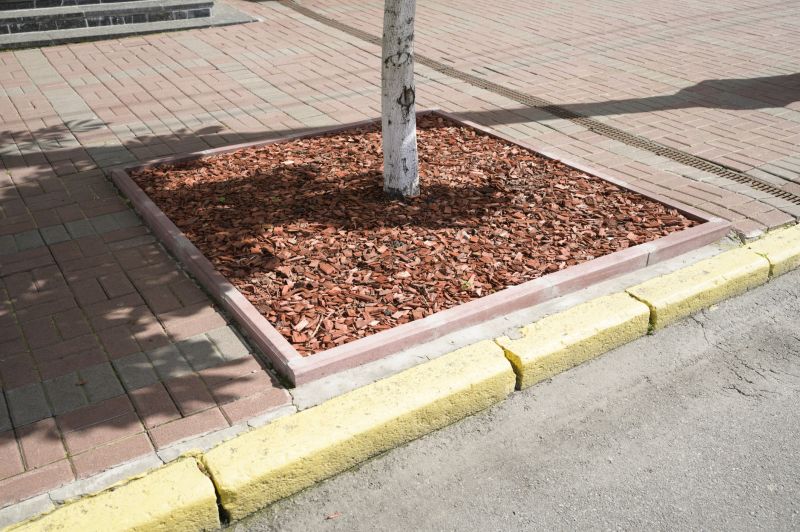
When evaluating potential service providers for tree curbing installation, it’s important to consider their experience with similar projects. Homeowners should inquire about how long the contractor has been working in the local area and whether they have a track record of completing tree curbing projects comparable in scope and complexity. An experienced contractor is more likely to understand the unique challenges of the local environment and be familiar with the best practices for durable and effective installation. This background can help ensure that the work is performed efficiently and meets the homeowner’s expectations.
Clear and detailed written expectations are essential when comparing local contractors. Homeowners should seek proposals that outline the scope of work, materials to be used, and any specific details relevant to the project. Having this information in writing helps prevent misunderstandings and provides a reference point for evaluating bids. It also allows homeowners to compare the thoroughness and professionalism of different service providers. Well-defined expectations contribute to a smoother project process and help ensure that the final result aligns with the homeowner’s vision.
Reputable references and strong communication are key indicators of a dependable contractor. Homeowners should ask for references from previous clients who had similar work done and follow up to learn about their experiences. Good communication throughout the process-such as responsiveness to questions and clarity about project details-can significantly impact satisfaction with the final outcome. When comparing options, it’s beneficial to look for local service providers who demonstrate professionalism, transparency, and a willingness to address concerns promptly. Remember, this site introduces homeowners to local pros capable of handling the work; it does not perform the installation itself.
Property owners use Tree Curbing Installation services for practical projects around their homes and businesses. This guide focuses on everyday jobs and straightforward project options.
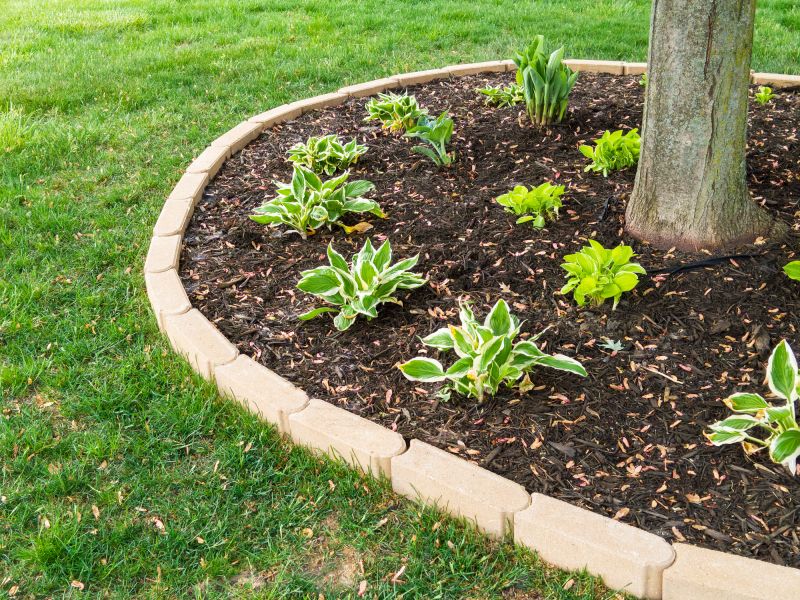
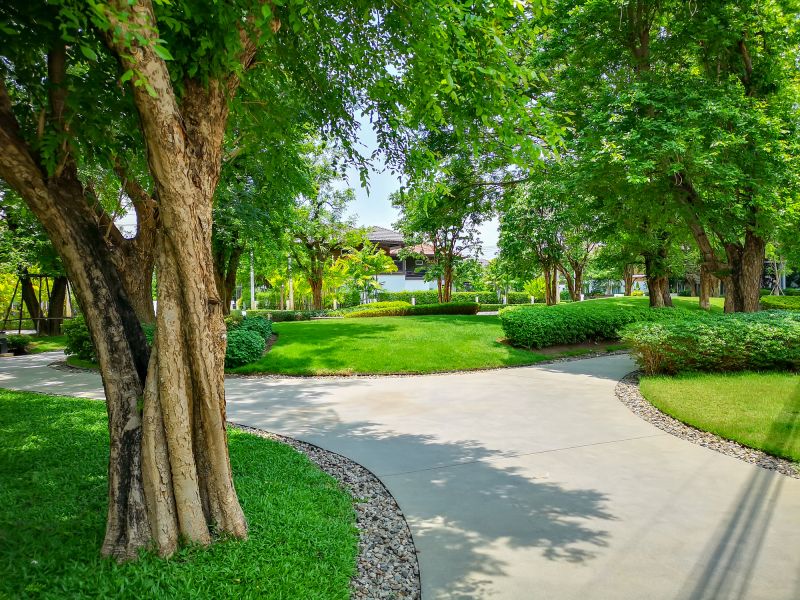
Tree curb trimming and shaping are common reasons property owners seek professional installation services. Overgrown or uneven trees can interfere with sidewalks, driveways, or utility lines, creating safety hazards or obstructing views. Additionally, homeowners may want to improve the appearance of their yard by maintaining a tidy, well-shaped tree canopy, especially before seasonal changes or special events.
Property owners might also look for tree curbing installation when preparing for landscaping projects or property upgrades. Properly installed curbing helps define garden beds, prevent mulch or soil from spilling onto walkways, and protect trees from accidental damage during lawn maintenance. Local contractors can provide the expertise needed to ensure the work is done safely and effectively.
What is tree curbing installation? Tree curbing installation involves creating a barrier around a tree's base to protect the roots and improve landscape appearance, typically handled by local contractors experienced in landscape enhancements.
Why should I consider tree curbing for my property? Tree curbing can help prevent damage from lawn equipment, control weeds, and enhance curb appeal, making it a practical choice for many property owners.
What types of materials are used for tree curbing? Common materials include brick, stone, concrete, and rubber, with local service providers able to recommend options suitable for specific landscape needs.
Can tree curbing be customized to match existing landscaping? Yes, local contractors can customize the design, size, and materials of tree curbing to complement existing landscape features.
How do I find qualified local pros for tree curbing installation? This website helps connect property owners with local service providers experienced in tree curbing installation, ensuring options are available in the area.
Tree Curbing for Landscape Edging - Use tree curbing to create a defined border around garden beds for a neat appearance.
Tree Curbing for Property Boundaries - Install curbing along property lines to prevent grass and mulch from spreading into unwanted areas.
Tree Curbing for Erosion Control - Employ curbing around trees on slopes to help manage soil erosion and maintain landscape stability.
Tree Curbing for Decorative Purposes - Enhance curb appeal by adding decorative curbing around trees and landscape features for a polished look.
If you are thinking about Tree Curbing Installation for a property, this guide is meant to help you understand the work, the typical project types, and how different options might fit your plans.
When you are ready, you can use the quote form on this page to share a few details about your project. From there, local pros can review the basics and respond with options that match what you have in mind.